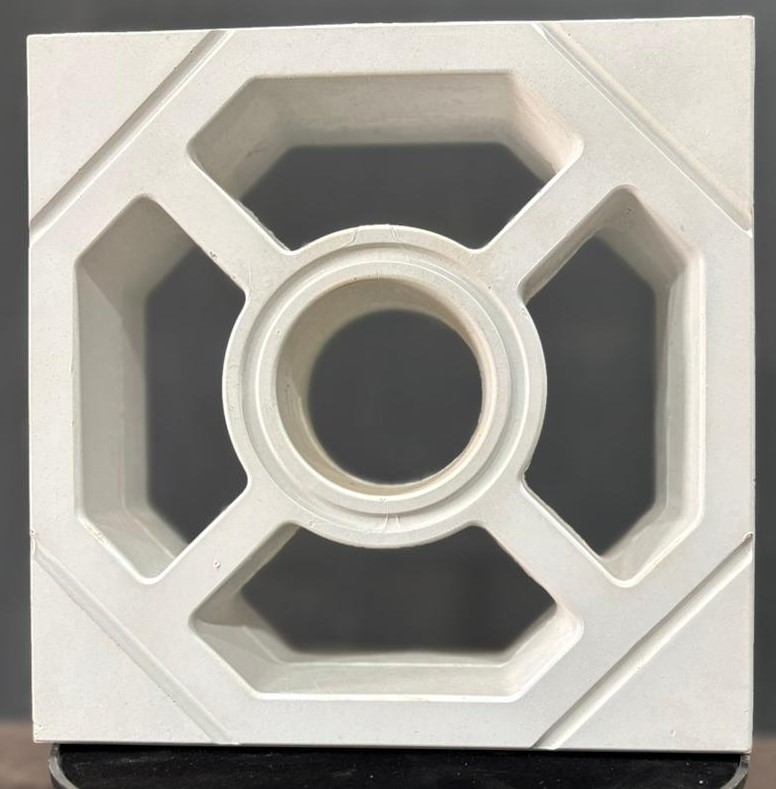
White cement jalis are durable, weather-resistant, and aesthetically versatile, featuring intricate 3D patterns. They are ideal for exterior facades, partition walls, and balconies, offering excellent ventilation and light diffusion. These rust-proof, paintable, and high-strength screens are commonly used in residential and commercial projects for both traditional and modern designs. Key Features of White Cement Jali: Durability and Resistance: These jalis are highly durable, often heat, water, and fire-resistant. They are designed to withstand various weather conditions, making them ideal for outdoor use. Aesthetics and Design: They feature intricate 3D designs, including antique, modern, and solid styles. The white color offers a clean, sophisticated look that can be enhanced with paint. Functionality: They serve as effective ventilation and privacy screens, allowing for airflow and light diffusion while reducing heat and glare. Applications: Common applications include exterior facades, balcony screens, compound walls, and interior partitions. Dimensions: Common sizes are inches, with thicknesses ranging from to . Material Strength: Made of strong, high-quality white cement and often reinforced, these jalis are designed to last. Material Composition and Maintenance: White cement jalis often incorporate high-quality cement, white cement, and sometimes glass fibers or fine silica quartz to enhance strength. They require minimal maintenance and can be painted to match specific design themes.
Surface Texture
smooth, matte, or fine-textured finish
Features
White cement jalis are durable, weather-resistant, and aesthetically versatile, featuring intricate 3D patterns. They are ideal for exterior facades, partition walls, and balconies, offering excellent ventilation and light diffusion. These rust-proof, paintable, and high-strength screens are commonly used in residential and commercial projects for both traditional and modern designs. Key Features of White Cement Jali: Durability and Resistance: These jalis are highly durable, often heat, water, and fire-resistant. They are designed to withstand various weather conditions, making them ideal for outdoor use. Aesthetics and Design: They feature intricate 3D designs, including antique, modern, and solid styles. The white color offers a clean, sophisticated look that can be enhanced with paint. Functionality: They serve as effective ventilation and privacy screens, allowing for airflow and light diffusion while reducing heat and glare. Applications: Common applications include exterior facades, balcony screens, compound walls, and interior partitions. Dimensions: Common sizes are inches, with thicknesses ranging from to . Material Strength: Made of strong, high-quality white cement and often reinforced, these jalis are designed to last. Material Composition and Maintenance: White cement jalis often incorporate high-quality cement, white cement, and sometimes glass fibers or fine silica quartz to enhance strength. They require minimal maintenance and can be painted to match specific design themes.
Capacity
200 Kg
Material
cement
Set Contains
4
Color
white ,red , grey
Design Type
AMBER
Occasion
White cement jali provides a durable, stylish, and versatile decorative screen, often featuring 3D, polished, or smooth matte finishes, primarily used for ventilation, privacy, and architectural aesthetics in interiors and exteriors.
Shape
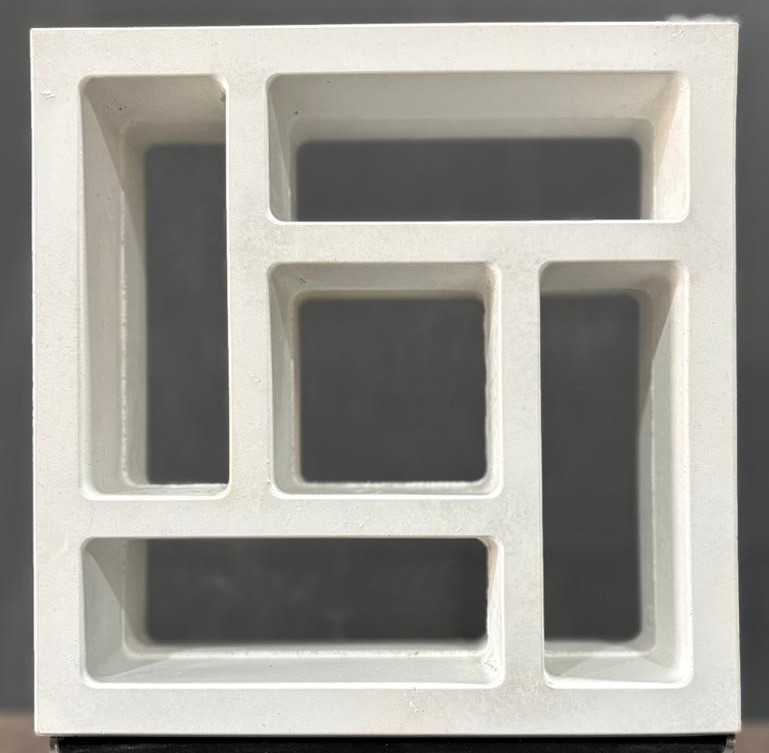
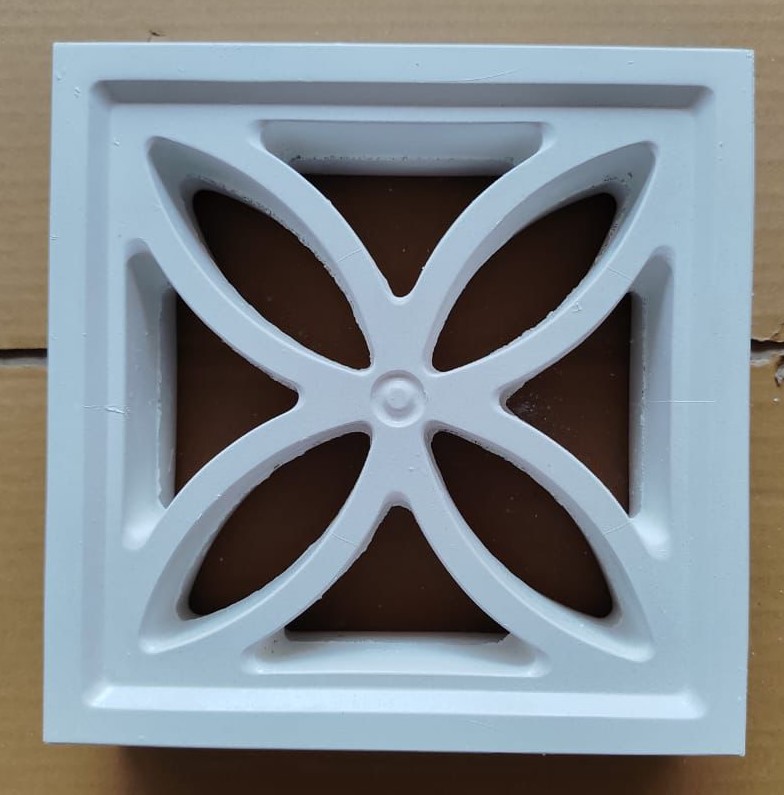
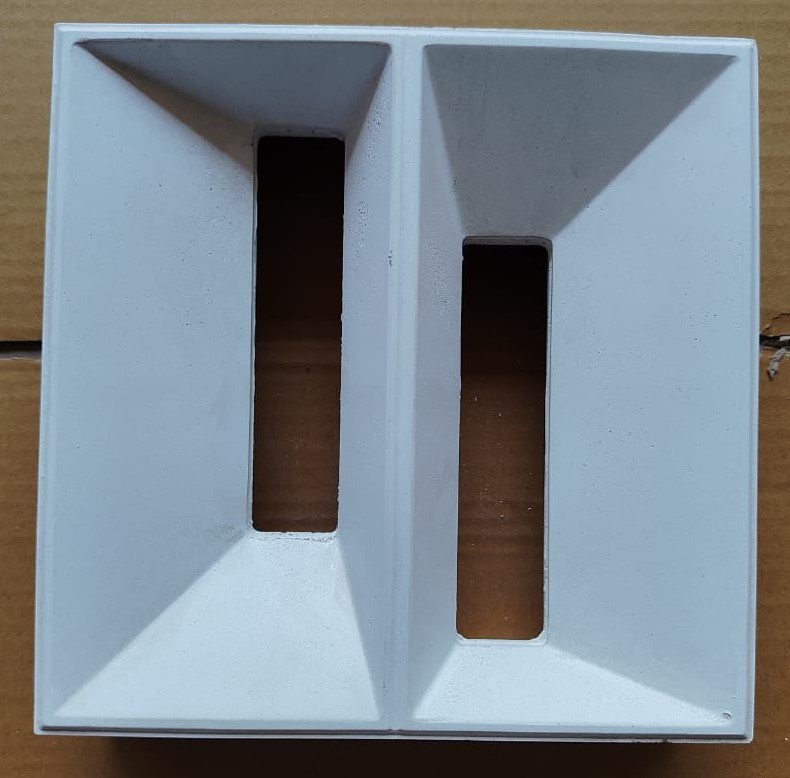
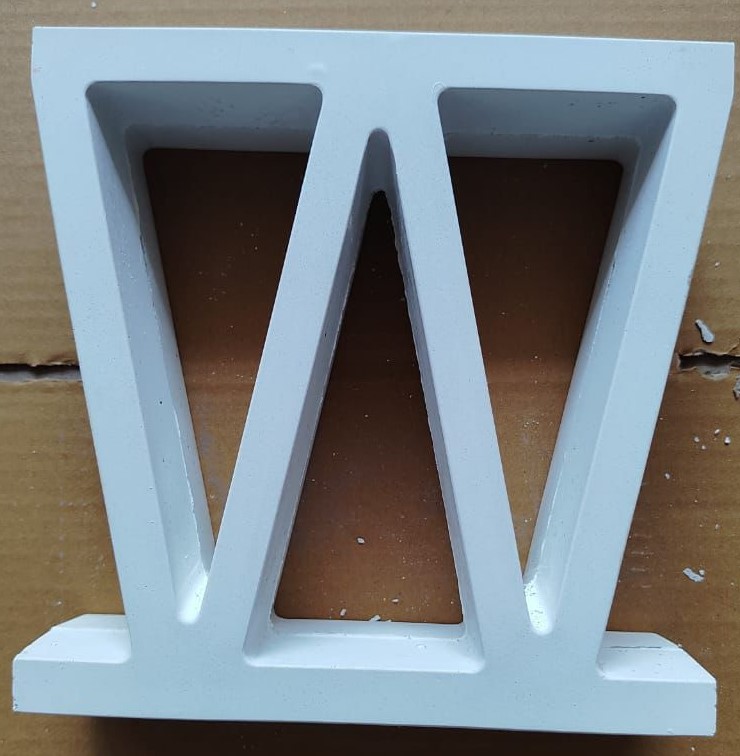
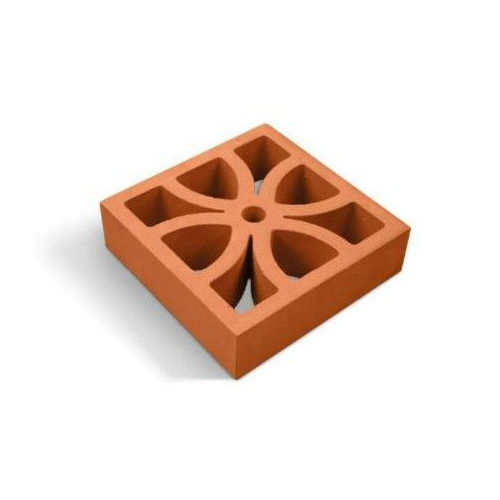
square, rectangular, and custom geometric shapes. Common designs include the four-petal, breeze block, and intricate, modern GRC patterns.
Size
Primium
Surface Finish
White cement jali provides a bright, smooth, and highly durable surface finish, making it an excellent choice for both modern and traditional architectural designs. These precast elements offer a clean, aesthetic look,, featuring high strength and weather resistance. The finish is generally matte or smooth, often used in facades, partitions, and to improve natural light and ventilation. The bright, white color enhances light reflection, making spaces appear brighter, larger, and more open. Surface Texture: It provides a smooth, clean look suitable for contemporary designs. It can be left as-is, painted, or, in the case of GRC (Glass Fiber Reinforced Concrete) Jali,, offers a refined texture. Durability and Maintenance: White cement jalis are robust, low-maintenance, and resistant to weather elements, making them ideal for both interior and exterior applications. Versatility: These jalis can be produced in various intricate, 3D patterns. Structural Integrity: They are stronger than alternatives like POP (Plaster of Paris) and are frequently made with reinforcement for added stability. Customization: They are often manufactured using White Cement, polymers, and fine silica, allowing for bespoke, high-quality finishes.
Usage & Applications
Ventilation & Privacy: Used in residential and commercial buildings to allow airflow while ensuring privacy. Interior Dividers: Acting as decorative, breathable partitions between living spaces, bedrooms, or in office spaces. Fa ade Enhancement: Installed on exteriors to add aesthetic value, create 3D effects, and enhance architectural design. Balcony & Staircase Railings: Used as durable safety barriers for balconies and railings, offering a classic or modern look. Garden and Boundary Walls: Used to create artistic boundary features that are durable and weather-resistant.
Dimension (L*W*H)
8*8 Inch (in)
Mount Type
White cement jalis are primarily designed for wall-mounted, exterior, and interior applications, often used as partitioning walls, balcony grills, or decorative screens. These durable, rust-proof, and weather-resistant concrete blocks typically come in 8x8 or 12x12 inch sizes and are installed directly onto walls to enhance ventilation and aesthetics.
Weight
2.4 Kilograms (kg)
Warranty
20 to 25
Finish Type
White cement jali provides a durable, stylish, and versatile decorative screen, often featuring 3D, polished, or smooth matte finishes, primarily used for ventilation, privacy, and architectural aesthetics in interiors and exteriors.
SWASTIK WHITE CEMENT JALI Trade Information
Minimum Order Quantity
1000 Pieces
Delivery Time
15 Days
About SWASTIK WHITE CEMENT JALI
White cement jalis are decorative, perforated screens made from high-quality white cement, often mixed with sand and aggregates for durability. Used for ventilation, privacy, and aesthetics, they offer a bright, modern, and clean look to both interior and exterior spaces, such as balconies, partitions, and building faades.
Key Features and Characteristics:
Aesthetics: Provides a bright, clean, and smooth matte finish that enhances visual appeal.
Versatility: Suitable for residential and commercial projects, including balconies, boundary walls, and interior partitions.
Durability: Weather-resistant, fireproof, and termite-proof, ensuring long-lasting performance.
Functionality: Excellent for enhancing natural light diffusion and promoting air circulation.
Composition: Made from white cement, which is a specialized type of Portland cement containing low iron and manganese, providing its signature white color.
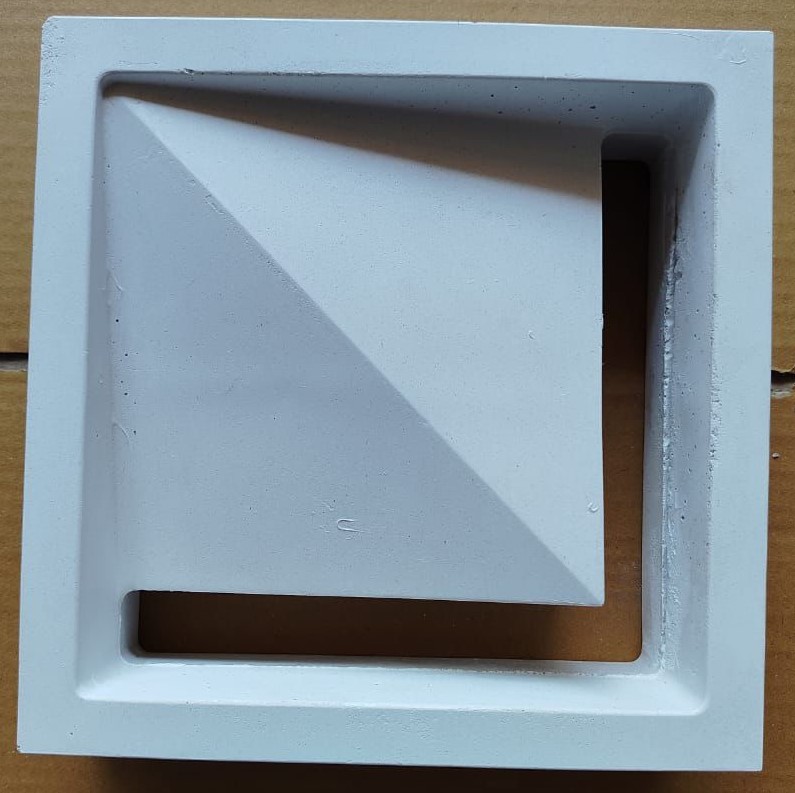
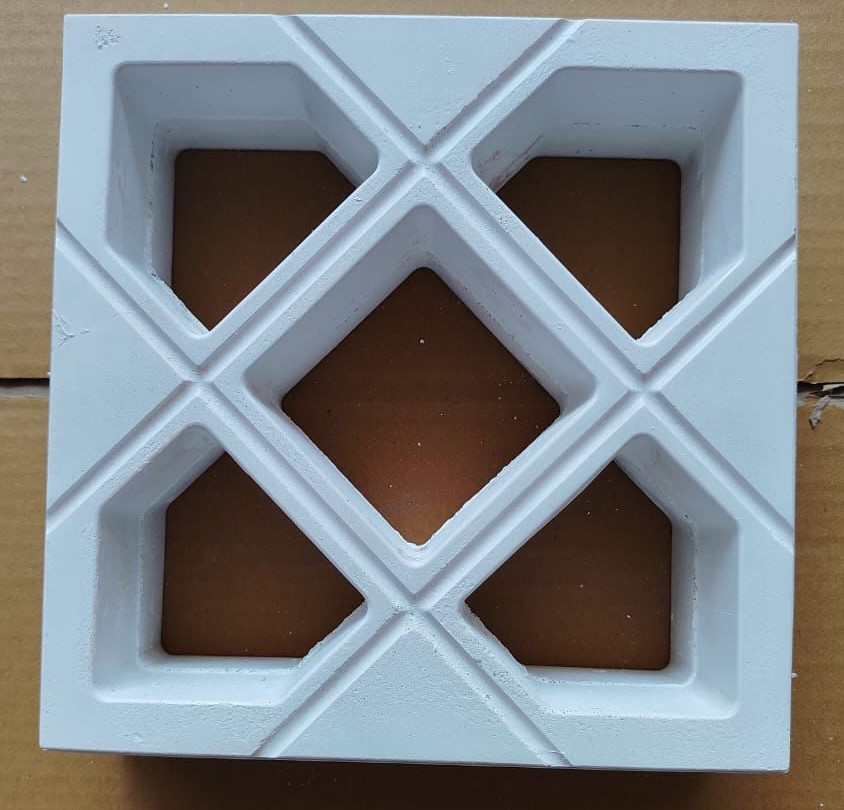
Design Options: Available in various geometric, floral, and traditional patterns, often in precast, square, or rectangular formats.
Common Applications:
Balcony and Window Screens: For security and privacy.
Facade Elements: For architectural decoration and ventilation.
Indoor Partitions: Creating partitions between rooms.
Boundary Walls: Decorative fencing.
White cement jalis are typically low-maintenance and can be left in their natural, raw white state or painted, offering a durable yet elegant solution for modern construction.
Elegant and Durable Design
SWASTIK WHITE CEMENT JALI stands out for its attractive 3D patterns and smooth finishes. Engineered from premium white cement, it not only elevates visual appeal but also ensures longevity and structural integrity. The jali's surfaces can be left as-is for a classic look or painted to match any architectural theme, making it adaptable for both modern and traditional environments.
Versatile Applications Across Spaces
Ideal for ventilation, privacy, and artistic enhancement, this jali is commonly used in exterior facades, balcony railings, garden boundaries, and interior partitions. Its fine texture allows for superior airflow and light diffusion, making spaces feel brighter and more open. The robust construction ensures that it withstands heat, water, and fire, providing reliable performance in all weather conditions.
Low Maintenance and Easy Installation
Designed for both wall-mounted and standalone applications, SWASTIK WHITE CEMENT JALI requires minimal upkeep. It resists rust, doesn't warp, and can be cleaned with ease. Installation is straightforward and suitable for residential buildings, offices, commercial venues, and landscaping projects, allowing for creative freedom in design and placement.
FAQ's of SWASTIK WHITE CEMENT JALI:
Q: How is SWASTIK WHITE CEMENT JALI typically installed?
A: SWASTIK WHITE CEMENT JALI is designed for easy wall-mounted installation on both interiors and exteriors. Panels can be fitted directly onto walls, used as partition screens, or incorporated into balcony and staircase railings with standard masonry tools. Professional installation is recommended for optimal stability.
Q: What are the main benefits of using white cement jali in architectural projects?
A: White cement jalis provide enhanced privacy, effective ventilation, and increased natural light while adding a decorative element to spaces. Their high strength, weather resistance, and low maintenance make them ideal for long-term use in facades, partition walls, and gardens.
Q: Can the white cement jali be customized for specific shapes or patterns?
A: Yes, these jalis are available in square, rectangular, and custom geometric designs, including popular patterns like four-petal and breeze blocks. Custom fabrication allows for tailored solutions to suit unique architectural requirements.
Q: Where is white cement jali most commonly used?
A: It is widely used in residential and commercial projects, including exterior facades, balcony screens, interior room dividers, garden boundaries, and safety railings. Its elegant appearance and structural integrity make it suitable for both traditional and modern design schemes.
Q: What is the typical maintenance required for white cement jali?
A: White cement jali is low maintenance. It resists weathering, rust, and stains. Routine cleaning with water and mild detergent is usually sufficient, and the surface can be repainted to refresh its look if desired.
Q: Does SWASTIK WHITE CEMENT JALI enhance energy efficiency in buildings?
A: Yes, by allowing natural light and fresh air to pass through while reducing heat and glare, these jalis help in regulating indoor temperature and improving overall energy efficiency.
Q: How long is the warranty on SWASTIK WHITE CEMENT JALI products?
A: SWASTIK WHITE CEMENT JALI typically comes with a warranty ranging from 20 to 25 years, ensuring durability and long-term satisfaction in various architectural applications.
Tell us about your requirement
Price:
Quantity
Select Unit
50
100
200
250
500
1000+
Additional detail
Mobile number
Email
Name
Comapny Name
Phone Number
Email Id
City / State
Confirm Your Requirement
Verification Code
Did not receive yet?
Resend OTP
You’re Done!
We have received your requirements and will reply shortly with the best price.
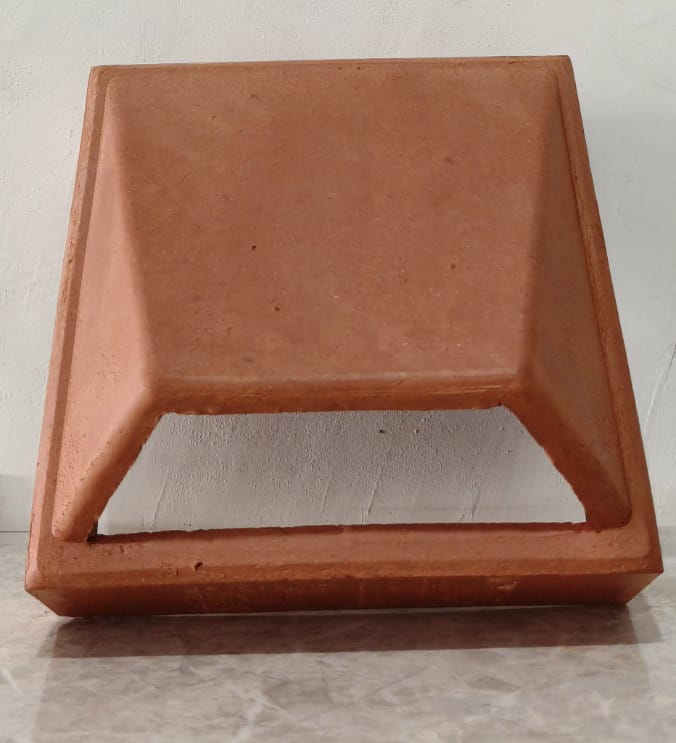
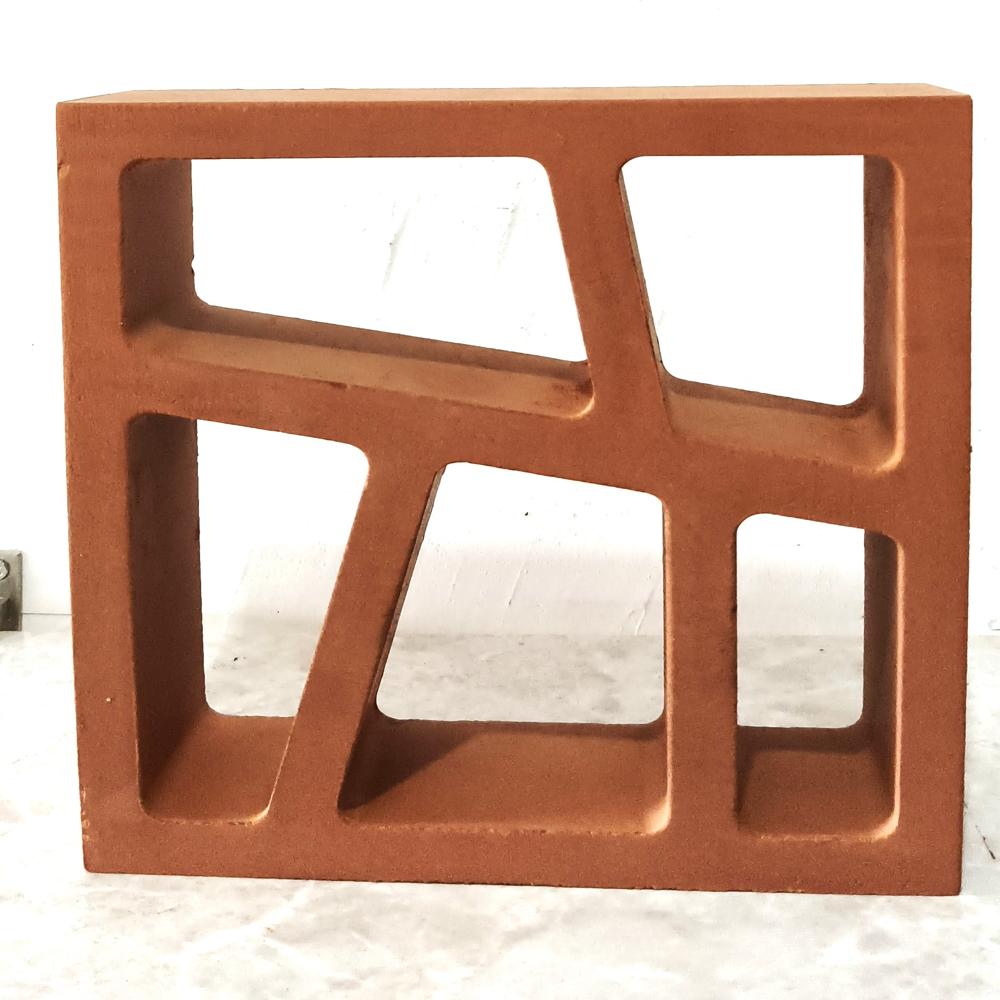
Finish Type : Terracotta jali blocks are a versatile, ecofriendly, and durable architectural element, typically mounted as perforated screens or walls to provide natural light, ventilation, and privacy. They are commonly used in exterior facades, balcony railings, boundary walls, and interior partitions to create a warm, earthy, and rustic, or sometimes modern, aesthetic.
Finish Type : Terracotta jali blocks are a versatile, ecofriendly, and durable architectural element, typically mounted as perforated screens or walls to provide natural light, ventilation, and privacy. They are commonly used in exterior facades, balcony railings, boundary walls, and interior partitions to create a warm, earthy, and rustic, or sometimes modern, aesthetic.
Shape : square, rectangular, and custom geometric shapes. Common designs include the fourpetal, breeze block, and intricate, modern GRC patterns.
Color : white ,red , grey
Finish Type : White cement jali provides a durable, stylish, and versatile decorative screen, often featuring 3D, polished, or smooth matte finishes, primarily used for ventilation, privacy, and architectural aesthetics in interiors and exteriors.






 Send Inquiry

 Send Inquiry
 Send Inquiry
 Send SMS